Jordan — September 2022

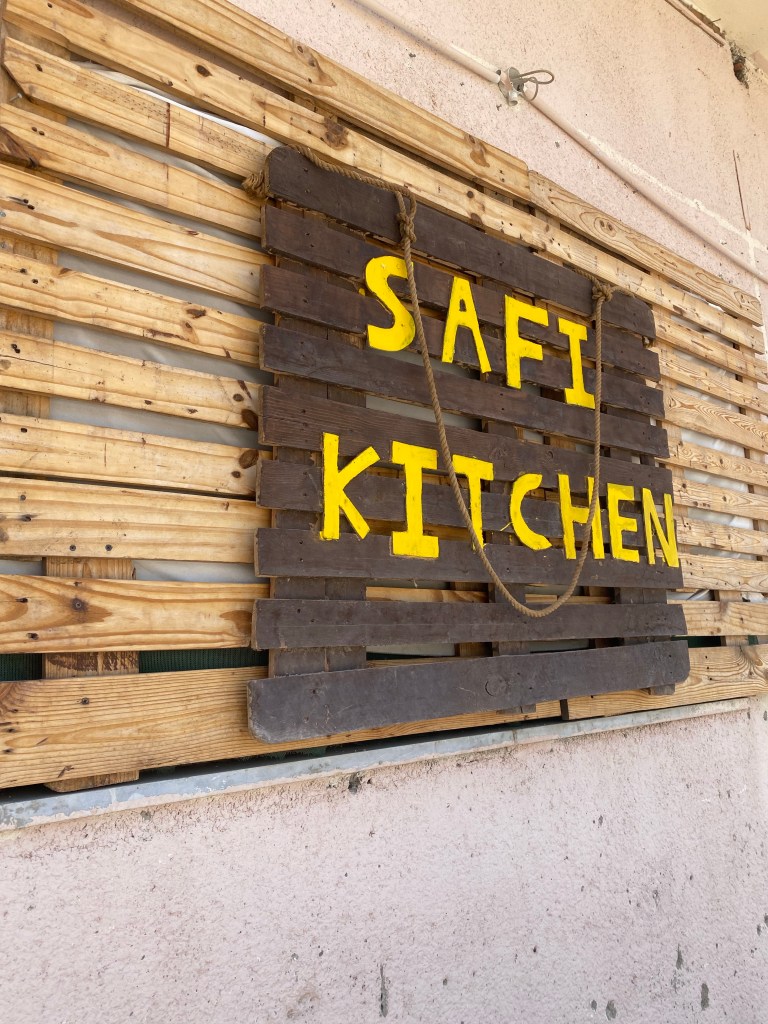
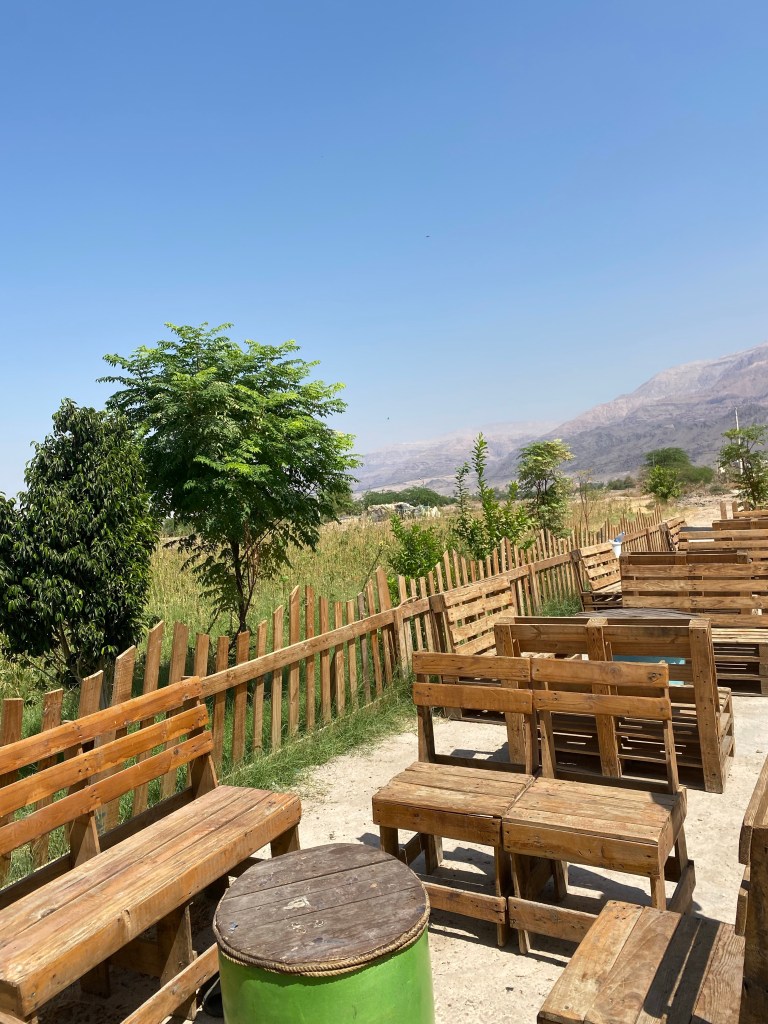
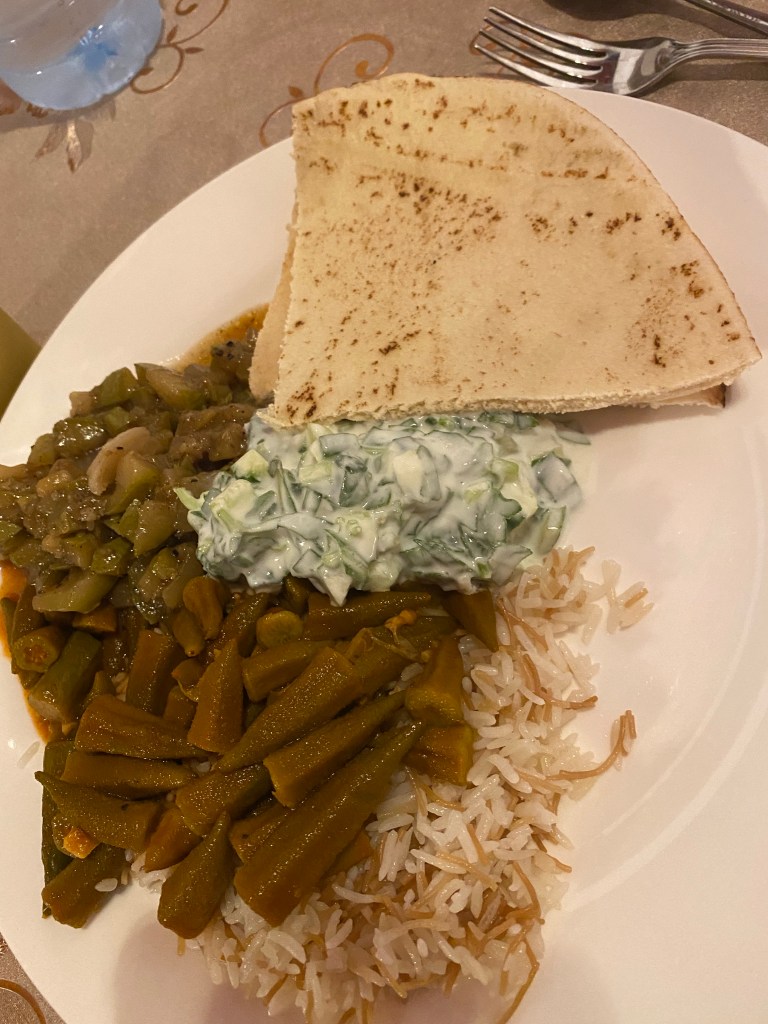
While in Jordan, I visited Safi Kitchen for lunch- a wonderful place and organization that produces their own food and supports local women’s education. The women help out in the kitchen in exchange for financial support for their education. I was lucky to meet three of the women completing their degrees and ask them questions. They spoke little English, so much of the conversation had to be translated by men. The gist of the information I received was that women go through formal education in the event their marriage ends in divorce, and they need to financially support themselves. The Jordan divorce rate is about 65%. Women in Jordan typically aspire to marry and become mothers. A combination of the culture, customs, and religion in Jordan promote this way of life for women. With a high number of progeny, many women must stay home to care for their young as well. I further asked what contraception education looks like in school, but the male response was, “It’s taught…” While I believe contraception is female healthcare, I understand that culture and religion adds many layers to this seemingly simple question.
If a woman feels happy with a degree and a family, then I support that. If a woman wishes to use her degree in the workforce, then I also support that. I believe motherhood is a job in itself and motherhood should always be celebrated. However, female representation in the workforce is imperative to the progression of female rights and autonomy- not only in Jordan, but everywhere. I think the workforce is the most basic level a female can start at for a man to view her as an equal. The same job, duties, responsibilities— the opportunity for men to view women as equally capable. Women representation in politics is critical for policy change and societal shifts towards equal female rights.
While educating women in Jordan is a tremendous step in the right direction, Jordan still has the lowest rate of women’s economic participation of any country not at war. According to the International Labor Organization (ILO), the kingdom’s female labor force participation rate is below 15%, while that of men is about 60%. Women cannot achieve autonomy without financial independence. This further begs the question if Jordan provides equal opportunity for women in the workforce and if a pay gap exists?
Employment and Socioeconomic status are tied to our health. These two important facets are primary social determinants of health, which impact the conditions in which we live, grow, learn, work, and play. Women’s health depends on fair and equal employment opportunities.
 A Day’s Journey
Leave a comment