Rwanda— August 2022
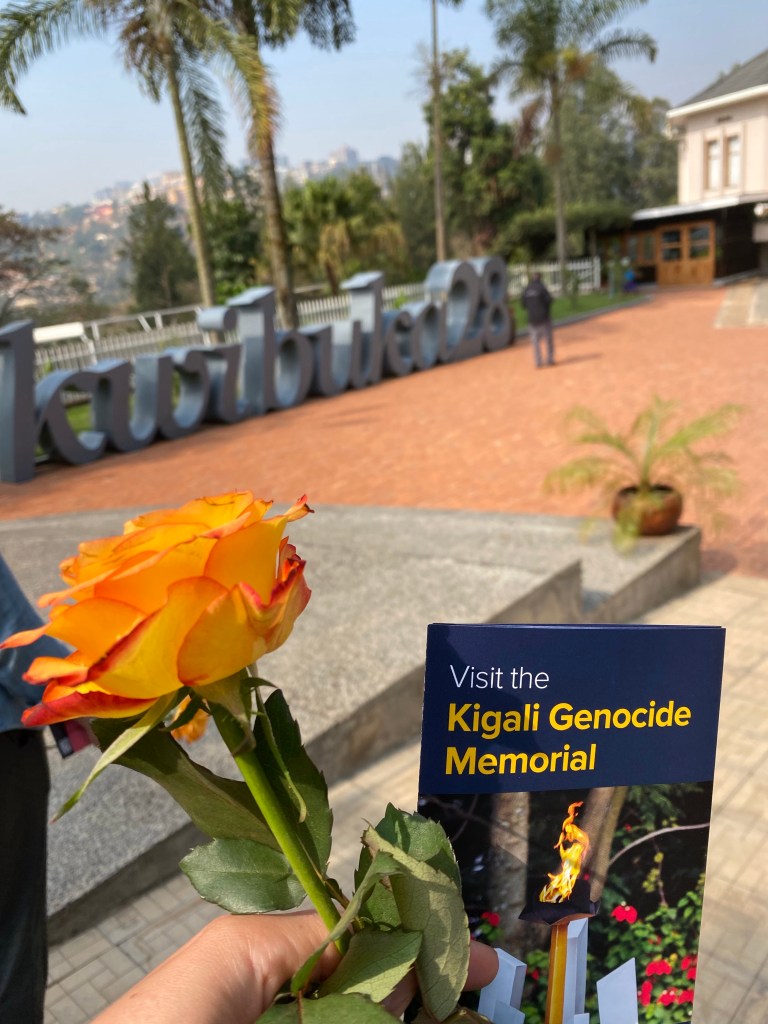
Reconciliation is rare and takes remarkable strength from all involved. By definition it is the “re-formation of good relations.” This was most evident in my visit to Rwanda. Most known for the 1994 genocide, the country now boasts low levels of corruption, gender equality, and is one of the safest countries in the world for female travelers.
Rwanda has a dark and turbulent history in the past few centuries following colonization. Germany occupied the country in 1884, followed by Belgium who took over following WW1 in 1916. The Belgians promoted the Tutsi ethnic group as “superior,” to other proclaimed ethnic groups, the Hutus or Twas. In 1935, they introduced identity cards that labeled each citizen— similar to how identity cards were given to Jews in Germany a mere 3 years later. This began the origin of the tensions between Hutus and Tutsis – with the first clash happening in 1959 when Hutus killed Tutsis and destroyed their homes. This caused many (~100,000) Tutsis to seek refugee in neighboring countries. In 1990, The Rwandan Patriotic Front (RPF) formed out of the now 500,000 refugees and returned to Rwanda to spark the Rwandan Civil War. Neither side advanced in the civil war and a peace agreement was signed in 1993. On April 6, 1994 the President of Rwanda’s plane was shot down, and the Rwandan genocide commenced on April 7 via well-planned attacks by the interim government. Over 1 million people died in 100 days. I had the opportunity to visit the genocide memorial and museum in Kigali, which was one of the most eye opening experiences on my travels. To read accounts of neighbors and friends turning on each other just because of their colonizer assigned ethnicity was just unbelievable. Young men trained not just to kill, but torture as well. Human beings torturing other human beings for the sake of horror. The Hutu extremists made sure that the Tutsis suffered. Such accounts I read said HIV positive men raping and torturing women- then keeping them alive to live with it, mothers brutally murdered with machetes in front of their children, toddlers and infants beaten to death. Just absolutely sickening accounts to read. I left the museum feeling immensely heavy in my heart and mind. Just HOW this happened is beyond comprehension.
How does a country recover from that? Horror that occurred only 28 years ago. The country reverted to an old form of justice systems used by communities called, “Gacaca.” These were used in pre-colonial times by local communities to restore harmony amongst the citizens by having perpetrators sit amongst elders to confess their crimes and work towards reconciling the victims involved. Following the genocide, perpetrators could only be tried by the International Criminal tribunal for Rwanda, but since the number of perpetrators were around 130,000, this was not feasible. The re-introduction of the Gacaca system allowed individual communities to reconcile without revenge. The goals of the 12,000+ courts established was to:
• Recount events in a truthful manner
• Accelerate the legal proceedings for those accused of Genocide Crimes
• Reconcile Rwandans and reinforce their unity
• Use the capacities of Rwandan society to deal with its problems through a justice-based Rwandan custom.
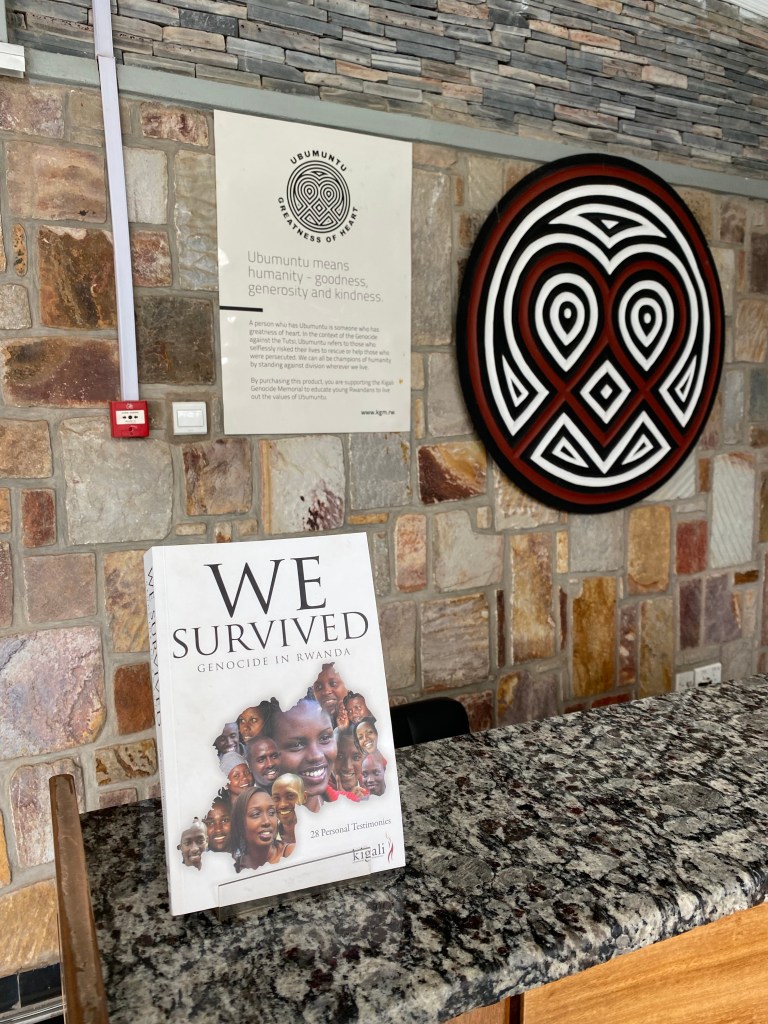
While met with some criticism, Gacaca still set in motion reconciliation within communities and Rwanda as a whole country. Victims were brought justice without seeking revenge, families were able to find out how members died and whereabouts their bodies may be for proper burial, and perpetrators were able to ask forgiveness from the community. Today, the Rwandan Genocide is taught in all education systems with dedicated classes towards peace required. Interestingly enough, the average age in Rwanda is 19 years, with the majority of the population being born after 1994. You will never hear someone referred to as Hutu or Tutsi or Twa— as now it is only acceptable to be “Rwandan.”
Think about what reconciliation would take in your own life. Are you in any conflicts with others, yourself, or situations? What would peace look like? What are some actions steps you can take towards peace?
 A Day’s Journey
Leave a comment