Malawi — July 2022
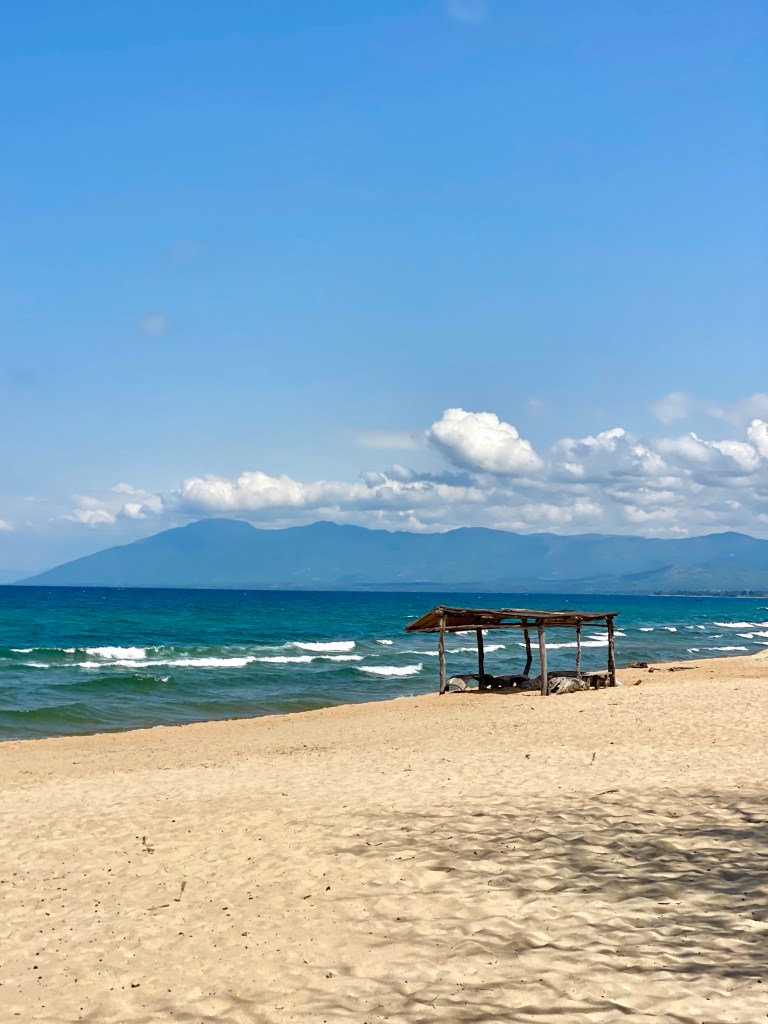
I’m currently traveling in “the warm heart of Africa,” also known as Malawi. Home to Lake Malawi, the fifth largest freshwater lake in the world. As the first overland bus to enter our campground since Covid, the locals certainly gave us a warm welcome.
Halfway through my Africa trip, I want to discuss one of the most important health matters plaguing the African continent- HIV/AIDS. The HIV pandemic is most severe in the whole of Southern Africa, with globally 10% of those infected residing here. In terms of adult prevalence with HIV, the world rankings for countries I visited are as follows: Botswana(3), Zimbabwe(4), South Africa(5), Namibia(6), Zambia(8), Malawi(9), Uganda(11), Tanzania (12), and Kenya(13). All nine countries I visited land in the top 15!
In Malawi, the number one cause of death is HIV (18.17%). Of the population aged 15-49, 8.8% are living with the disease (WHO). When the disease first came about in 1985, the president made it illegal to discuss the disease openly. Years later in 1989, he introduced a plant o combat the disease, but it was too late as the disease was already rampaging the country. In the early 2000s, a different president increased education on the disease by allowing education to be available on television, radio, billboards, and newspapers. The past few decades have seen larger strides to increase awareness through the education system, as studies have shown greater awareness of HIV with increasing education levels. However, current studies report students feeling inadequate levels of education are being given. Unfortunately, schoolchildren in Malawi are also at slight higher risk of virus exposure due to predatory behavior by instructors who view perceive sexually inexperienced children as “pure.”
Currently, women are more likely to be HIV-positive in Malawi. Many Malawi men adopt fatalistic beliefs, such as HIV contraction being inevitable, being a punishment by God, believing they already have it, or believing condom use is unnatural. Women have less access to education, formal employment opportunities, and financial independence, all of which are social determinant factors associated with HIV contraction and overall mortality. Infidelity among men in Malawi is common, and women often feel powerless to divorce from their HIV positive husbands and report their husbands refusing to wear condoms. A downstream effect of the virus is that the number of orphans are increasing.
Malawi ranks 172 out of 189 for the poorest countries in the world. HIV also has economic impacts, as the workforce is impacted causing decreases in agriculture and household productivity. Additionally, the healthcare system is not equipped to handle the high volume of patients requiring treatment. Access to retroviral drugs only became available in 2003 thanks to donations. Most healthcare facilities lack the adequate number of doctors and nurses, as their is a nationwide healthcare worker shortage.
In the past decade, numbers of HIV are slowly declining. This is in part due to better education, testing centers, and condom distribution. Just a reminder that sexual health is health, and prevention is power!

 A Day’s Journey
Leave a comment